Do Cats and Dogs Dream — and What Do They Dream About?
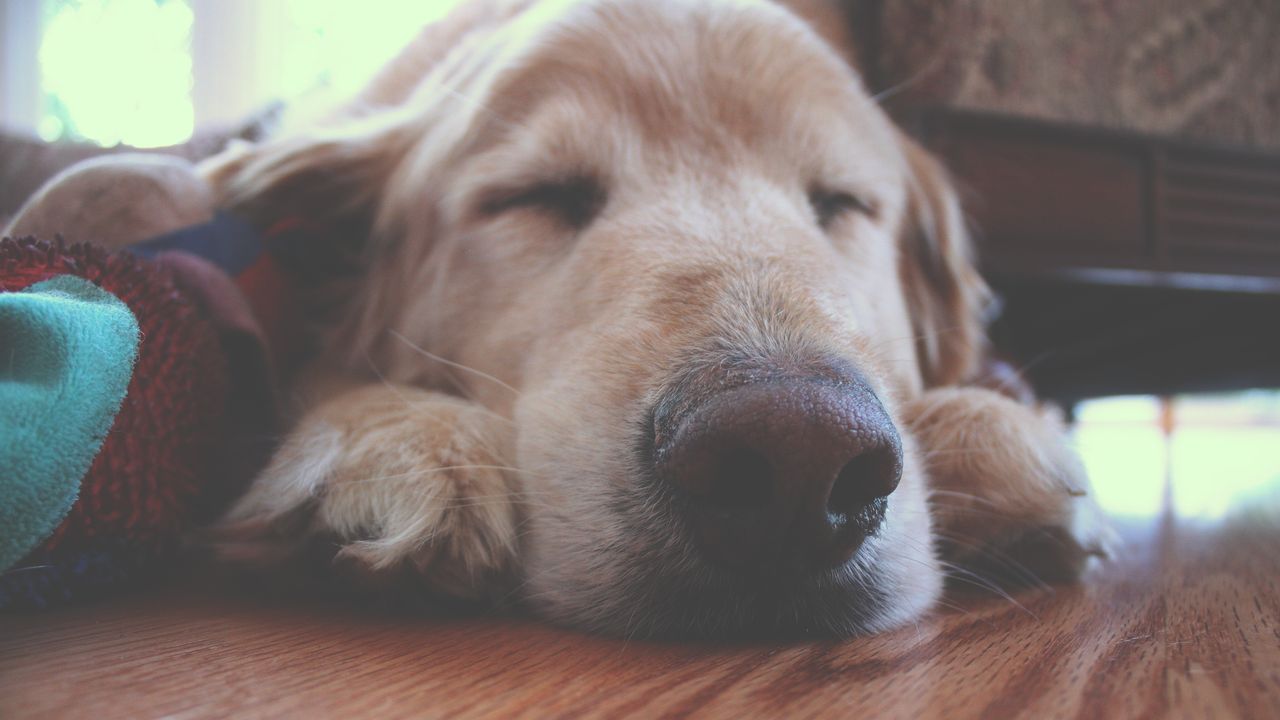
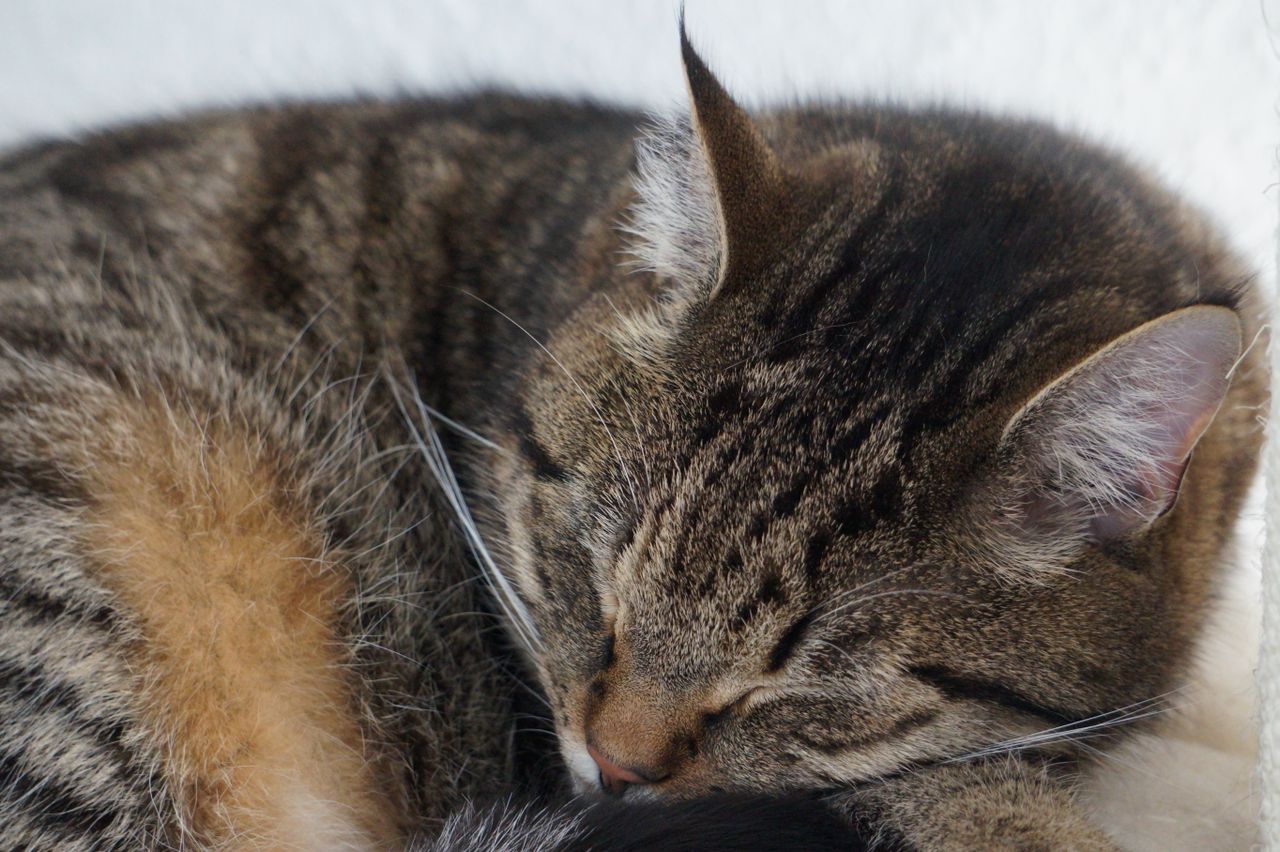
Anyone who has a pet knows how fascinating it can be to watch them — even when they are asleep. You may have seen something like this… Your dog is sleeping peacefully when suddenly its paws begin to move, as if it were running somewhere. Its nose twitches, you hear a soft whimper and perhaps even a muffled bark. A sleeping cat may twitch its whiskers or tail, or move its paws.
We can't help wondering: Where is it running? What is it chasing? Who is it playing with? Or perhaps it is dreaming about something frightening?
People were trying to unravel the mystery of animal dreams long before scientists learned how to observe what happens inside the sleeping brain. But there is one obvious problem: we can wake a person up and ask what they were dreaming about. A dog or a cat cannot tell us. So scientists had to find another way — by observing animals as they sleep, studying their sleep stages and looking at what happens in the brain during them.
Today, there is good reason to believe that cats and dogs do indeed dream. But answering the question“What exactly do they dream about?” is much more difficult — and much more interesting.
What Happens When Animals Sleep?
The sleep of cats and dogs is surprisingly similar to our own. During the night, they go through a series of sleep cycles made up of different stages. The one that particularly interests us is REM (rapid eye movement).
It gets its name from the characteristic rapid movements of the eyes beneath closed eyelids. During this stage, the brain is remarkably active: its electrical activity during REM sleep resembles wakefulness more closely than deep, slow-wave sleep. At the same time, most of the body's muscles are almost completely relaxed. It is almost as though the brain has woken up while the body remains asleep.
In humans, REM sleep is the stage most often associated with vivid, story-like dreams, although dreams can occur during other stages of sleep as well. Cats and dogs experience REM sleep too. This is when you may notice their eyes moving beneath their eyelids, their whiskers or paws twitching, or hear the occasional soft whimper, meow or bark.
The similarities between the sleep stages and brain activity of humans and other animals provided some of the first compelling evidence that our pets dream too.
So the next time you watch your pet moving its paws or twitching its whiskers in its sleep, you may well be seeing tiny outward signs of a dream. But what is happening in that dream is another story altogether. What might cats and dogs see in their dreams, and how have scientists managed to catch a glimpse into their dream world? Read Part Two to find out.